
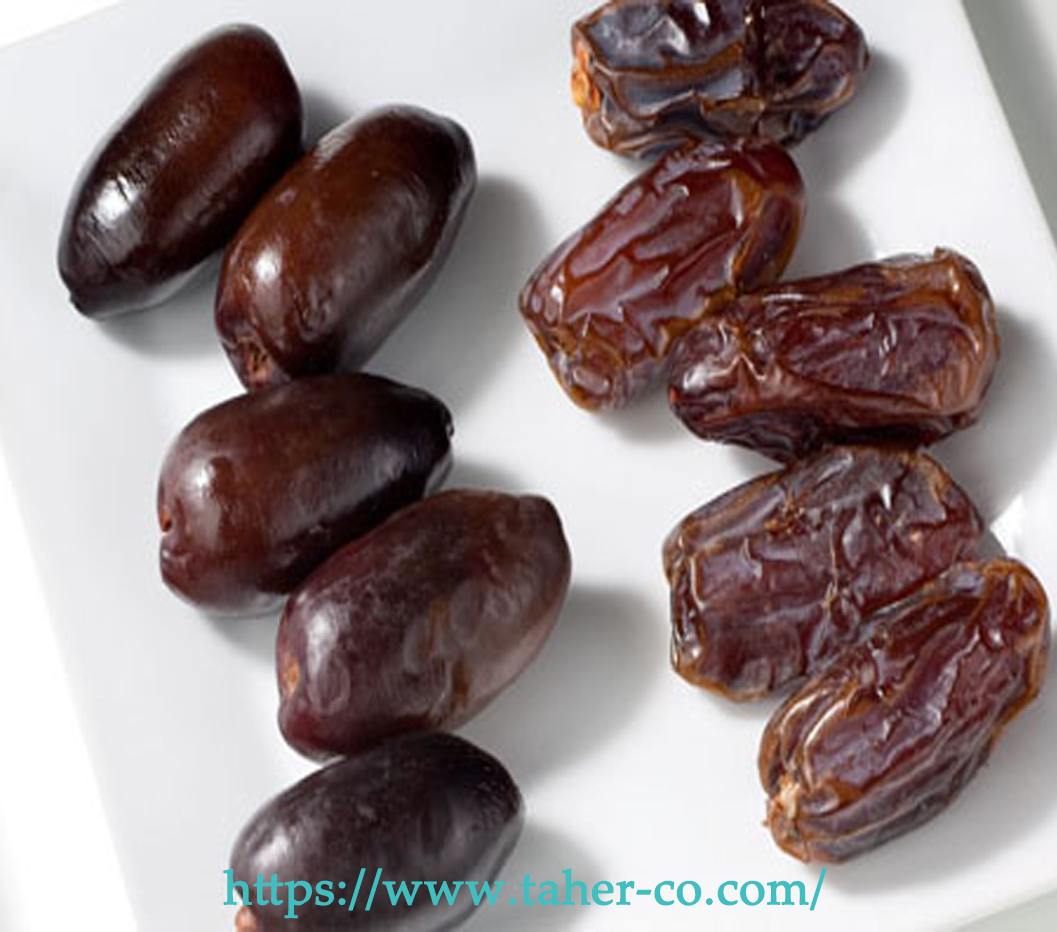
People have been eating dates for more than 4,000 years. As one of the sweetest fruits, dates can be eaten both fresh & dried. In this case, knowing the differences between the two types of dates can help you determine which works best in your meal plan.
Fresh vs. Dried
A dry date simply contains less moisture than a soft date. Fresh dates, if kept in an airtight container, stay fresh for up to 8 months if kept refrigerated, or for up to year in the freezer. Dried dates have a longer shelf-life & if refrigerated in an airtight container stay fresh for up to one year, and if in the freezer can last up to five years.
Calories
When it comes to calories, dried dates are significantly higher in calories than fresh. A 3.5 oz. serving of dried dates contains about 284 calories, while the same size serving of fresh dates contains 142 calories.
Macronutrients
Macronutrients are the nutrients your body needs in the largest amounts, and include protein, fat and carbohydrates. The macronutrient content of fresh dates vs. dried dates are different. While protein and fat only differ slightly, the carbohydrate content doubles in dried dates when compared to fresh. Dried dates are also a better source of fiber.
Micronutrients
Micronutrients are nutrients your body needs in smaller quantities, such as vitamins and minerals. Dried dates are a better source of calcium and iron than fresh, but fresh dates are a better source of vitamin C. The reason is that Vitamin C is a less stable nutrient than either calcium or iron, and is destroyed by both heat and storage.
Source: https://www.livestrong.com
1 thought on “FRESH DATES VS. DRIED DATES”
Comments are closed.